

Solar photovoltaic (PV) technology has changed little since the energy crisis of the 1970s, but it’s finally getting cheaper.
Large-scale rollouts of solar farms in Europe in the past few years have virtually commoditized PV as an energy source, and huge installations on the way in the United States and China will cement that process.
Edison International (NYSE: eix) subsidiary Southern California Edison got the go-ahead last month from California’s energy regulators to build and manage 250 megawatts of solar power generation and contract for another 250 MW from outside developers within the next five years, making it the largest solar PV program ever undertaken.
Independent solar industry consultants Solarbuzz estimates that worldwide solar PV installation hit almost 6,000 MW in 2008, nearly double the 3,000 MW of 2007.
Powering Competitiveness
Both cyclical and structural forces are driving the process.
The economic downturn has lead to a collapse in the price of silicon, a key ingredient in the making of solar cells, and short-term drop in demand for modules.
U.S. & World
The day's top national and international news.
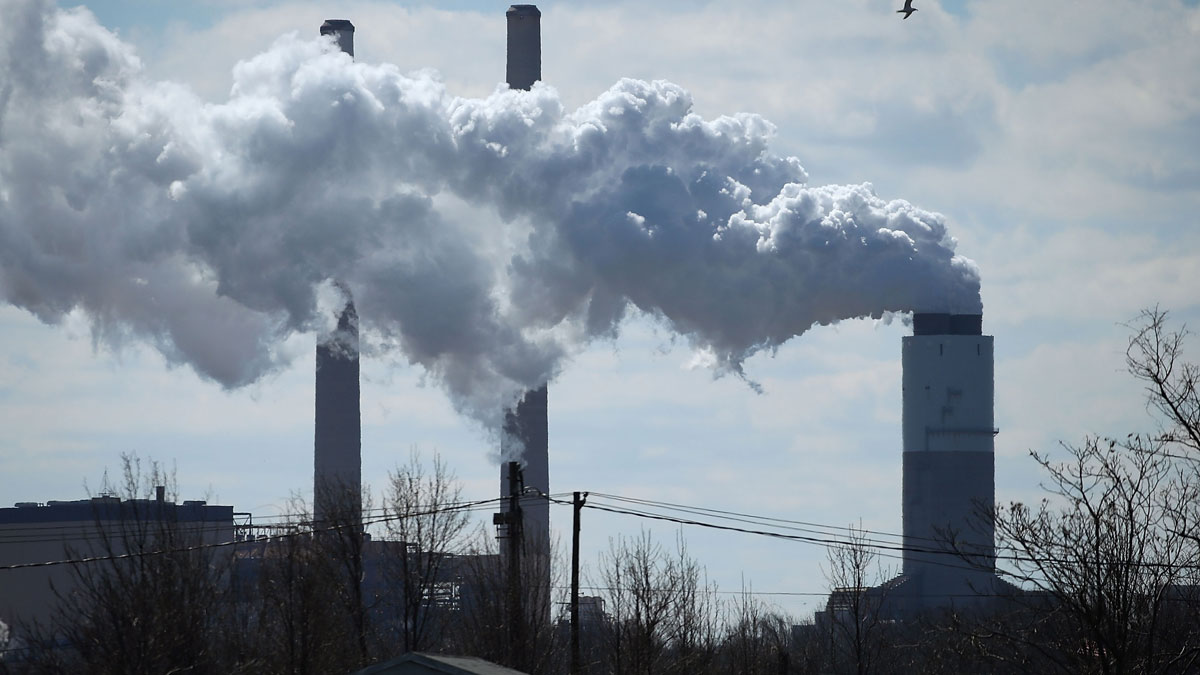

State-level renewable portfolio standards (RPS) have mandated that an increasing amount of renewable energy be generated. There is also a national RPS-like mandate currently in the Markey-Waxman energy bill making its way through Congress. And an array of tax credits and renewable energy mandates have also subsidized solar PV to bring its cost per kilowatt hour more in line with that of “brown” power, usually coal-fired in the U.S.
Finally, the efficiency of the solar cells themselves has improved. Early this year, researchers at Germany's Fraunhofer Institute for Solar Energy Systems created a solar PV cell that’s 41.4% efficient, beating the record held by the Colorado-based National Renewable Energy Laboratory by almost percent.
Cost Conscious
The cost of solar energy production on a kilowatt-hour (kwh) basis, with all government subsidies netted out, has dropped 8 percent from a peak of 22.04 cents/kwh in January 2002 to 20.40 cents/kwh in July 2009.
That efficiency is trickling down the supply chain to customers.
Solarbuzz estimates that the “customer price” of an average, flat-roof-installed, 500-kilowatt solar energy system — a size typically used by an industrial user that includes the panels, inverter and grid connection hardware — dropped by 0.7 percent alone from June 2009 to July 2009, to about $2.4 million.
Manufacturers and installers of solar modules are looking for new ways to decrease costs, lower prices and attract customers, at a time of rising demand; that race for profit could be seen at the second annual Intersolar 2009 trade show, was held in mid-July in San Francisco.
In addition to silicon ingot, wafer and solar cells makers like Canadian Solar, (NASDAQ: csiq) there were firms like Applied Materials (NASDAQ: amat ) and Alcatel (: aclu), which are intent on squeezing efficiency out of the process of making solar PV modules
“Everyone’s looking for any way they can reduce pricing,” says Jefferies cleantech analyst Paul Clegg. “Everyone wants to drive a market without subsidies.”
Clegg sees more vertical integration, with firms offering everything from silicon ingot production, to module manufacturing, to solar PV project planning and development services. He says creating a larger footprint, even as a defensive move in this economic climate could be the norm.
CNBC Slideshows:
- Green Cities of The Future
- America’s Greenest Universities
Eric Roiter, president of Framingham, MA-based Baker Solar, a maker of wet process equipment critical to solar cell manufacturing, says the market appears to be coming back to life after financing first froze last year
He says that puts Baker in a good position, because his firm can help clients reduce costs. “There’s a lot of pressure on CAPEX [capital spending] and it’s helping us.”
All of these gains in efficiency could see solar energy reach the key goal of parity with coal within the next few years.
Boston-based solar consultants Photon Consulting expects solar production in Spain, a key European solar energy market, to fall to 10 cents/kwh in 2010 — roughly the same as the cost of building a new coal-fired plant.For more stories from CNBC, go to cnbc.com.